

As technology evolves at lightning speed, organizations are constantly upgrading systems, replacing hardware, and modernizing infrastructure. While this progress fuels efficiency, it also creates a growing challenge: what to do with outdated IT equipment. Desktops, servers, networking devices, and storage units quickly pile up, turning into bulky assets that demand careful handling. Managing this process wisely requires more than just clearing space, it requires strategy, responsibility, and foresight.
Beyond storage concerns, outdated IT equipment also carries hidden risks and opportunities. Without a structured disposal plan, businesses may face data security threats, regulatory issues, and environmental harm. At the same time, responsible e-waste IT recycling in bulk allows organizations to recover value from unused assets, reduce environmental impact, and align disposal practices with sustainability goals, turning a potential liability into a strategic advantage.
This blog explores the key points to consider when dealing with large volumes of IT scrap and electronic waste, helping businesses make informed, ethical, and value-driven decisions.
Understanding the Scale of IT Scrap Generation
Bulk IT scrap doesn’t appear overnight. It accumulates gradually through system upgrades, office relocations, mergers, or data center refresh cycles. What may start as a few unused devices can quickly grow into rooms filled with obsolete hardware.
Understanding the scale of your IT scrap is the first step. An accurate inventory helps determine whether equipment can be reused, sold, refurbished, or recycled. It also prevents valuable assets from being forgotten or mishandled. Businesses that take time to evaluate volume and condition gain better control over disposal timelines and outcomes.
Data Security Is Non-Negotiable
One of the most critical concerns when handling old IT equipment is data security. Hard drives, servers, and network devices often contain sensitive company information, client records, and internal credentials. Simply deleting files is not enough.
Before any equipment leaves your premises, ensure secure data destruction methods are in place. Certified wiping, degaussing, or physical destruction protects organizations from data breaches and compliance risks. Ignoring this step can lead to reputational damage and legal complications, far outweighing the cost of proper disposal.
Environmental Responsibility Matters More Than Ever
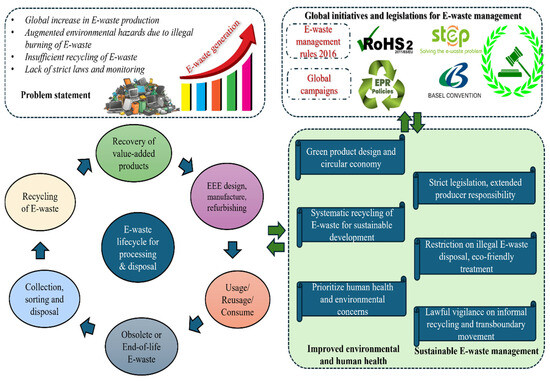
Electronic waste contains materials that can be harmful if improperly discarded. Toxic substances such as lead, mercury, and certain plastics can contaminate soil and water, causing long-term environmental damage.
Choosing e-waste IT recycling in bulk ensures that equipment is dismantled safely and materials are processed responsibly. Metals, plastics, and reusable components are recovered, reducing the need for raw material extraction. This approach supports sustainability goals while aligning with global environmental standards.
Evaluating Financial Recovery Opportunities
Bulk IT scrap is often viewed as a cost, but it can also be a source of value. Functional or partially functional equipment may still hold resale potential. Even non-working devices contain components that can be recycled for material value.
By evaluating recovery options early, businesses can offset upgrade costs or redirect funds toward future investments. Transparent pricing models and clear valuation criteria help organizations understand what their scrap is worth and avoid undervaluation.
Compliance With Local Regulations
In regions like the UAE, electronic waste management is subject to regulations designed to protect both data and the environment. Improper disposal can lead to penalties or legal action.
When considering IT scrap Bulk recycling Dubai, compliance should be a priority. Ensure that recycling partners follow approved processes, maintain proper documentation, and issue certificates where required. This not only safeguards your business legally but also demonstrates corporate responsibility to stakeholders.
Logistics and Bulk Handling Efficiency
Managing bulk IT scrap involves more than just disposal—it requires smooth logistics. Coordinating pickups, handling heavy equipment, and minimizing disruption to daily operations are essential considerations.
Professional services offer structured collection processes, secure transportation, and organized scheduling. This reduces internal workload and ensures equipment moves safely from your site to recycling or processing facilities. Efficient logistics also minimize downtime during office transitions or upgrades.
Transparency and Traceability
Businesses should always know what happens to their IT scrap after it leaves their premises. Transparency builds trust and accountability. Clear reporting on recycling methods, data destruction, and material recovery provides peace of mind.
Traceability also supports internal audits and sustainability reporting. When organizations can document how equipment was handled, they strengthen their environmental and governance credentials.
Balancing Speed With Responsibility
While fast clearance is often tempting especially during relocations or urgent upgrades speed should never compromise responsibility. Rushed disposal increases the risk of data leaks, improper recycling, or regulatory violations.
A balanced approach prioritizes thorough assessment, secure handling, and ethical processing while still meeting operational deadlines. Planning ahead allows businesses to act efficiently without cutting corners.
Choosing the Right Recycling Partner
Not all recycling services operate at the same standard. Selecting the right partner is one of the most important decisions in bulk IT scrap management. Look for experience, clear processes, and a commitment to environmental and data security practices.
A reliable partner acts as an extension of your organization, aligning with your values and compliance requirements. They should offer end-to-end solutions, from collection to reporting, making the process seamless and stress-free.
Long-Term Impact on Brand and Sustainability Goals
How a business handles its electronic waste sends a strong message. Responsible recycling reflects a commitment to sustainability, ethics, and innovation. Clients, investors, and employees increasingly value organizations that take environmental responsibility seriously.
Bulk IT scrap management is not just an operational task, it’s an opportunity to strengthen your brand and contribute positively to the community and environment.
Conclusion
Managing large volumes of outdated IT equipment requires careful planning, informed decision-making, and a strong sense of responsibility. From securing sensitive data and complying with regulations to ensuring environmental sustainability and financial recovery, every step matters. Whether you are considering e-waste IT recycling in bulk or exploring IT scrap Bulk recycling, taking a structured and ethical approach leads to better outcomes for both business and the planet.
For organizations seeking a dependable and responsible solution to handle bulk IT scrap efficiently, E-Waste IT Recycling offers expertise that balances security, sustainability, and operational ease.
